
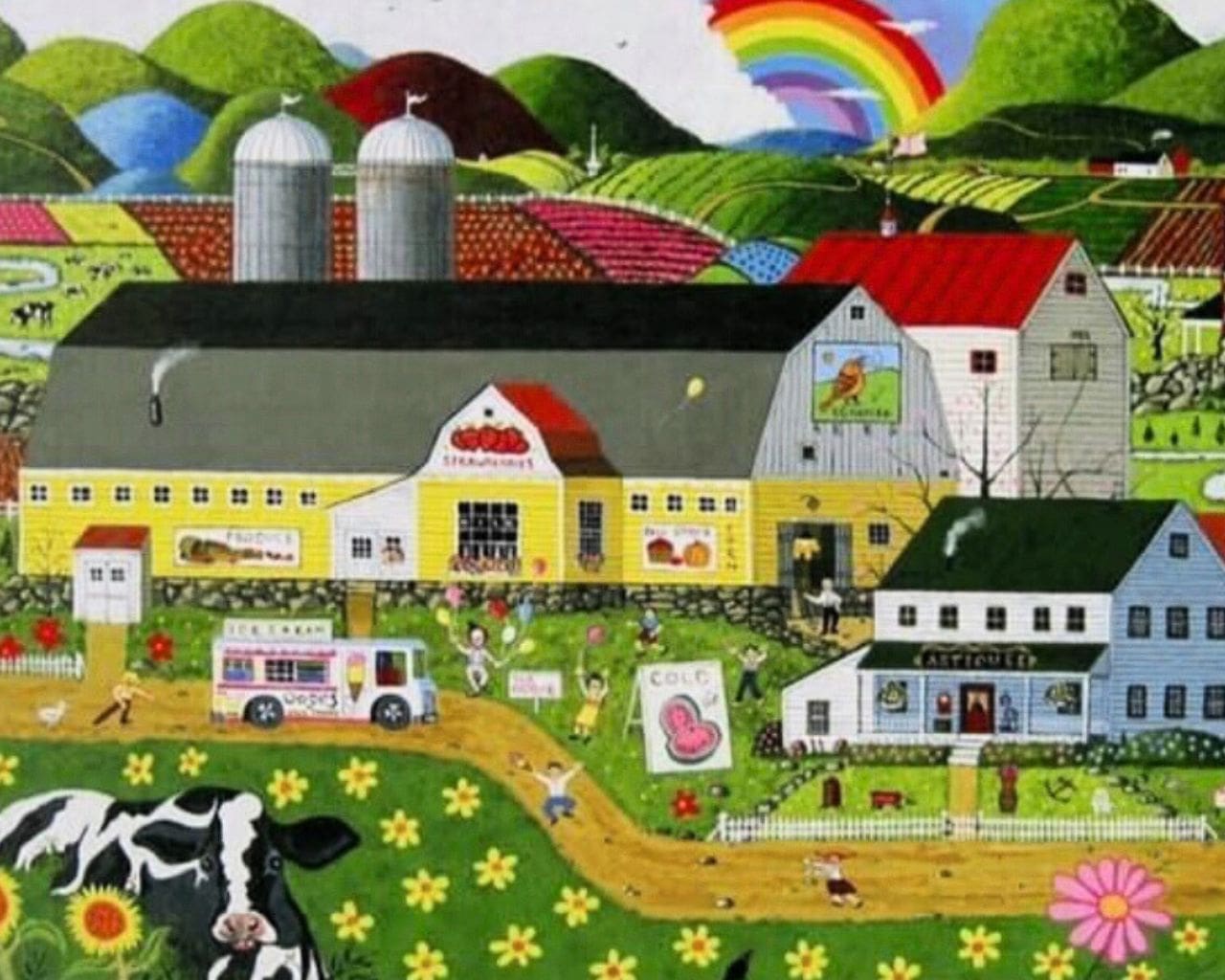
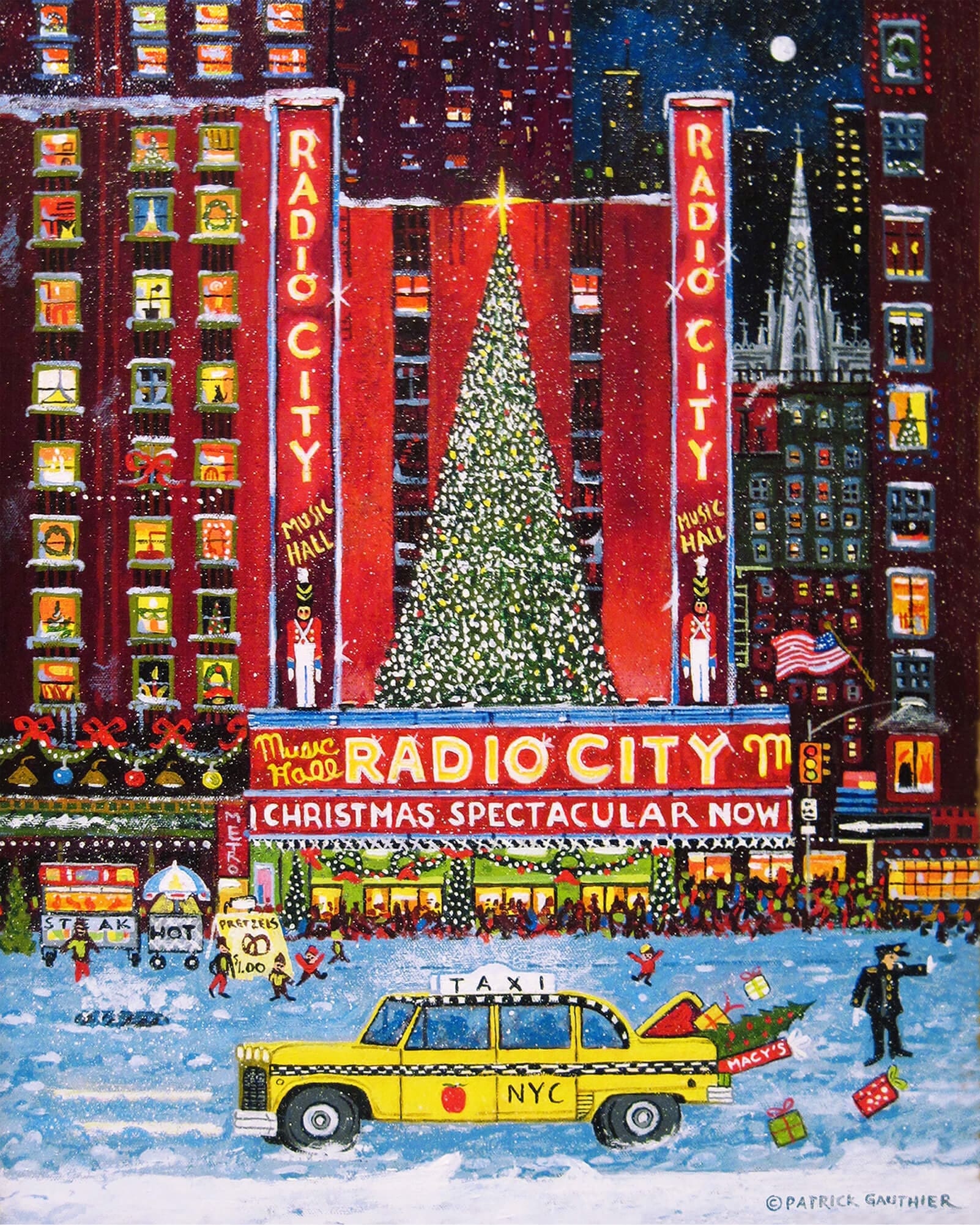
Each artist carries a unique story that shapes their creative vision and expression and today I invite you to discover artist Patrick Gauthier and his story. His name resonates with vivid colors and imaginative landscapes created in the American Folk, Realism, or Impressionism style.
From his earliest days of art discovery in kindergarten to his current status as a master of vibrant scenes, Patrick Gauthier’s tale is one of passion, perseverance, and the transformative power of artistic exploration.
In this interview, we’ll discover together the layers of experiences, influences, and insights that have sculpted Patrick Gauthier into the artist he is today. Whether you’re an art expert or just someone who loves a good story, his artistic adventure is sure to inspire and delight.
So, let’s jump right in and discover what Patrick Gauthier has to say about his colorful world of art!
When did you first discover your passion for art? Can you recall a specific moment or experience that ignited your love for creating?
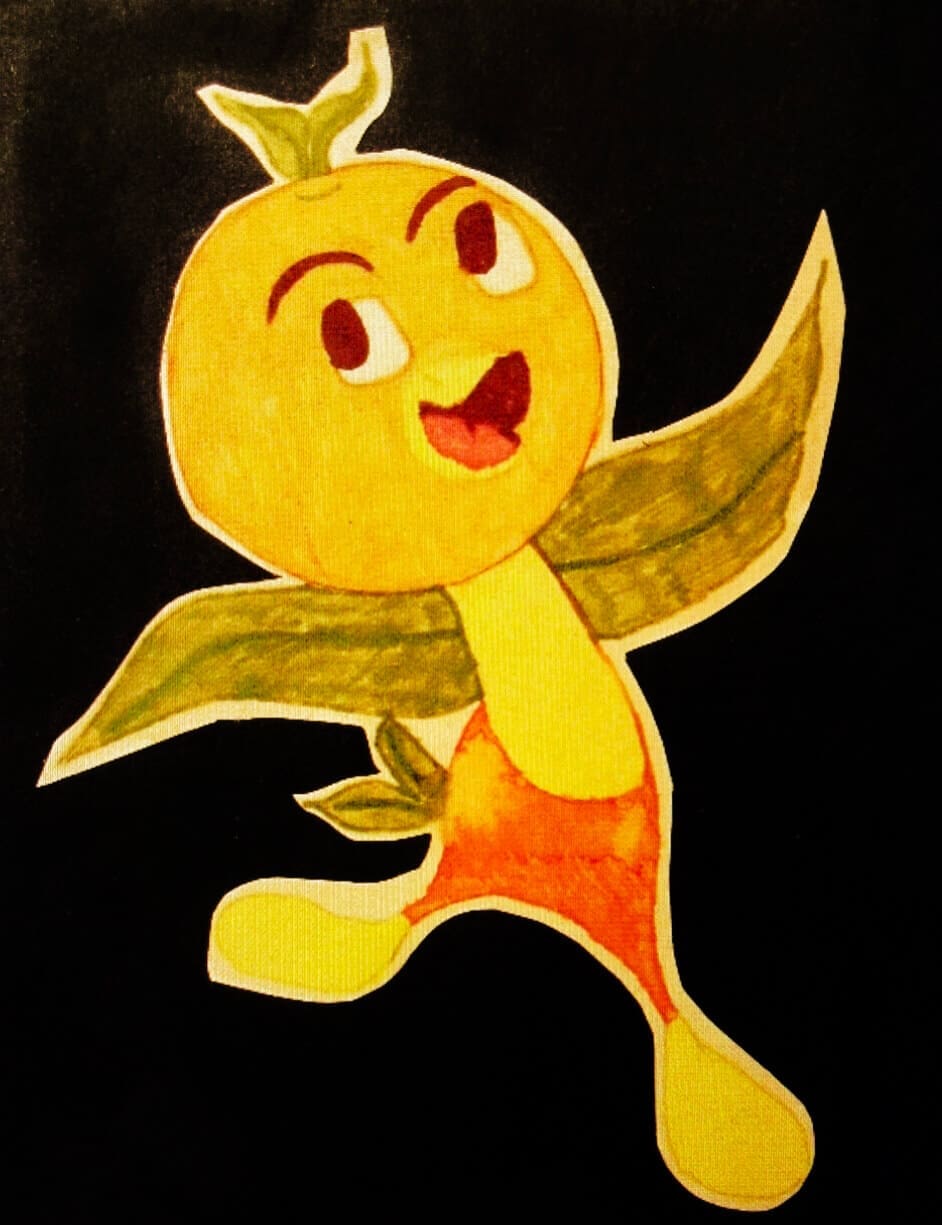
Patrick Gauthier: I became interested in art at a very young age, approximately kindergarten. I excelled in an art project in kindergarten art class. I duplicated a logo of a bird that represented orange juice. The bird was called ‘The Orange Bird’. I duplicated it using colored paper and markers. The teacher sent it home to my mother. Both my teacher and my parents realized that I had a gift for art and encouraged me to continue drawing and painting. At a later age, I became interested in sculpting with wood, paper, and clay.
As a young artist, what were some of the early influences or experiences that shaped your artistic journey and led you to pursue a degree in Fine Arts?
Patrick Gauthier: I remember looking at Christmas cards and greeting cards. I did not know about printing processes so all of the colors and colorful packages had me intrigued. School teachers knew I was artistic and helped me find projects at school that allowed me to keep my interest ongoing. Being an artist was promoted by friends and teachers.
At this point in being an artist, encouragement was more important than having in-depth discussions and critiques about the artwork. Sometimes practice makes perfect.
School art projects consisted of designs for football helmets, dance, and homecoming backgrounds, painting landscape murals, and holiday retail windows, and also reproducing colorful logos. Sculpting gorilla faces was one of my favorite sculpture subjects. I also received an art award in high school.
Your journey has taken you from Nebraska to New England and beyond. How have these different locations and experiences influenced your art and creative perspective?
Patrick Gauthier: I moved to England near the ocean from the Midwest agriculture region because I thought the history and charm were fascinating. After college, it was also easier to find employment in the art field in Boston because there are so many businesses and museums.
Being an illustrator and graphic designer was a job that provided the necessary income. This job consisted of very technical artwork and drawings that had to be accurate. Some drawings were black and white and others were color. Although I have been painting all of my life, my job as an illustrator was crucial to making accurate drawings. I worked in computer graphics and after many years of change in the art world, clip artwork could readily be available on the internet. In my opinion, a good balance of very accurate drawings and creative paintings keeps a good balance of a creative mind.
I intentionally started coming up with creative and colorful paintings to stretch my imagination. I experimented with reproducing other artists’ styles to explore their ideas. Moreover, I found out what interested me most in their styles and added those techniques to my paintings. Eventually, after much practice, material, and patience my style appeared.
In my experience, I think people enjoy artwork that is pleasant to view and they can relate to. Being creative and using accuracy combined can also produce an image that looks photographic. In some instances, I am asked where the painting location was and it never existed. It was a painting developed by a creative imaginative image in my head and fundamental art rules.
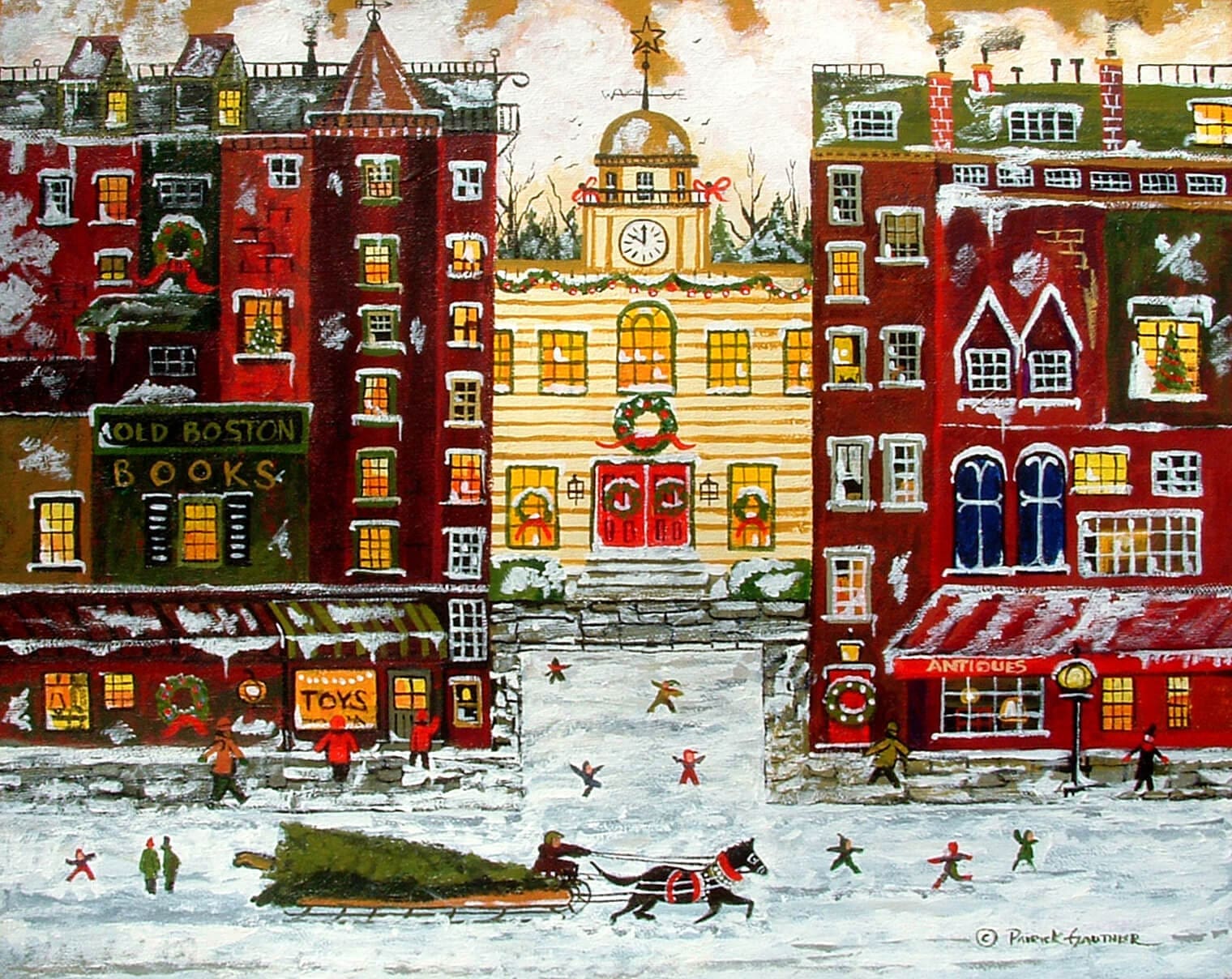
Your art has evolved from commercial realism to a colorful, imaginative Americana style. What sparked this transformation? What draws you to folk art, and how do you blend it with other styles when necessary?
Patrick Gauthier: Realistic paintings are a good combination of accurate basic art principles such as drawing, perspective, composition texture, and more. There are many other fundamentals (rules) that are always a challenge to master.
It is also being able to know your medium or supply choices (like canvas, paper, and paint type) that allows for detail and accuracy. Realistic painting requires many hours per project if needed. Patience must not be confused with tenacity. If something is not working, there is a problem to solve. If a section of a painting is not working, it could be the cause of a different element of a painting.
Knowing how to correct or adjust mistakes is just as important as knowing how to paint. Depth in a painting is achieved by layering paint. Some colors have to be layered or built to get the final color that works for the particular section.
Folk art is imaginative and tells stories. It is a great way to stretch the imagination and also experiment with different fundamental rules of art. Anything can happen. A smear of paint might make a great sky or a cow can be in a garden. Pumpkins can be everywhere and a truck might even have 3 wheels. The perspective that shows depth can be eliminated and the painting can appear flat.
If we use our imaginations and scramble art fundamentals or rules it is a great way to have a painting produced with fun and learning. We learn through mistakes. Embrace it and learn a hundred mistakes in an imaginative painting. It will help you resolve problems faster in a realistic painting. When a realistic painting combines with an imaginative painting you will begin to find a style that you can call your own.
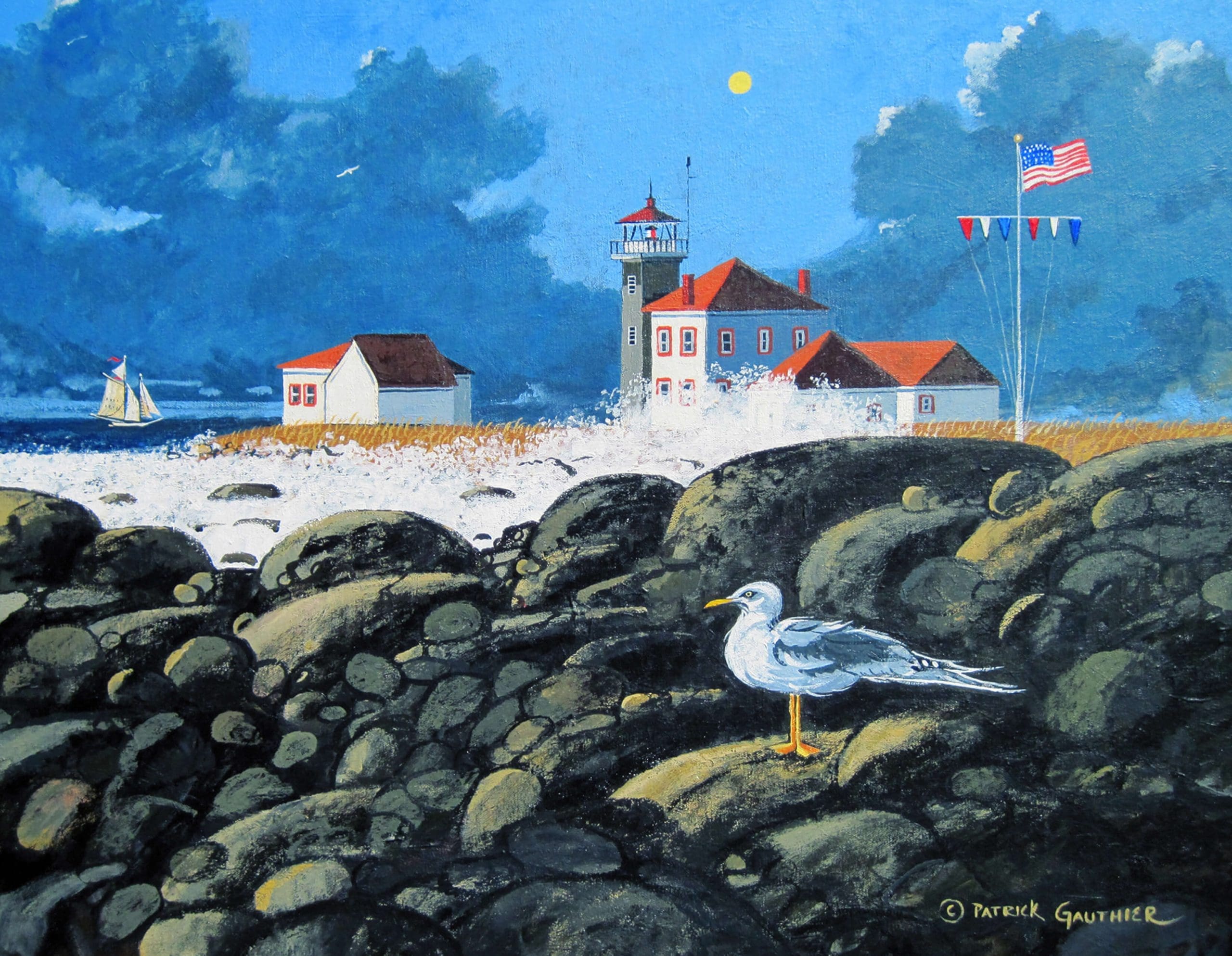
Can you describe your studio setup and creative environment? What elements or objects are essential to your creative process?
Patrick Gauthier: My studio has a variety of tools in it. I have a large durable easel where I can put large canvases, as well as many surfaces where I can lay projects on or reference material and books so I can refer to them as I paint. Additionally, I keep a variety of miniature tools nearby in case I need to frame a painting or repair anything that needs adjusting. I have desk lamps and studio lamps connected to my tables so I can adjust lighting wherever it is needed.
Furthermore, I keep jars full of different types and sizes of paint brushes and generally a table of tubes of paint organized so I can keep track of the quantity and also grab paint right away if needed to replenish my palette. The walls of my studio are full of paintings and prints that I enjoy looking at and some are from my favorite artists. A shelf is devoted to objects that are mainly gifts, statues, and toys. I enjoy colorful items of any type. I prefer to work in a space free from clutter but some projects and paintings do not allow it.
Sometimes I have no idea what will come out of a painting but I work through it. I prefer to not have to explain projects to others when sometimes surprises can change the whole direction of a painting. Paintings can evolve and it is good to be flexible. Be flexible. Determination is important. I also think a private studio helps add to the mystery of how a painting was completed.
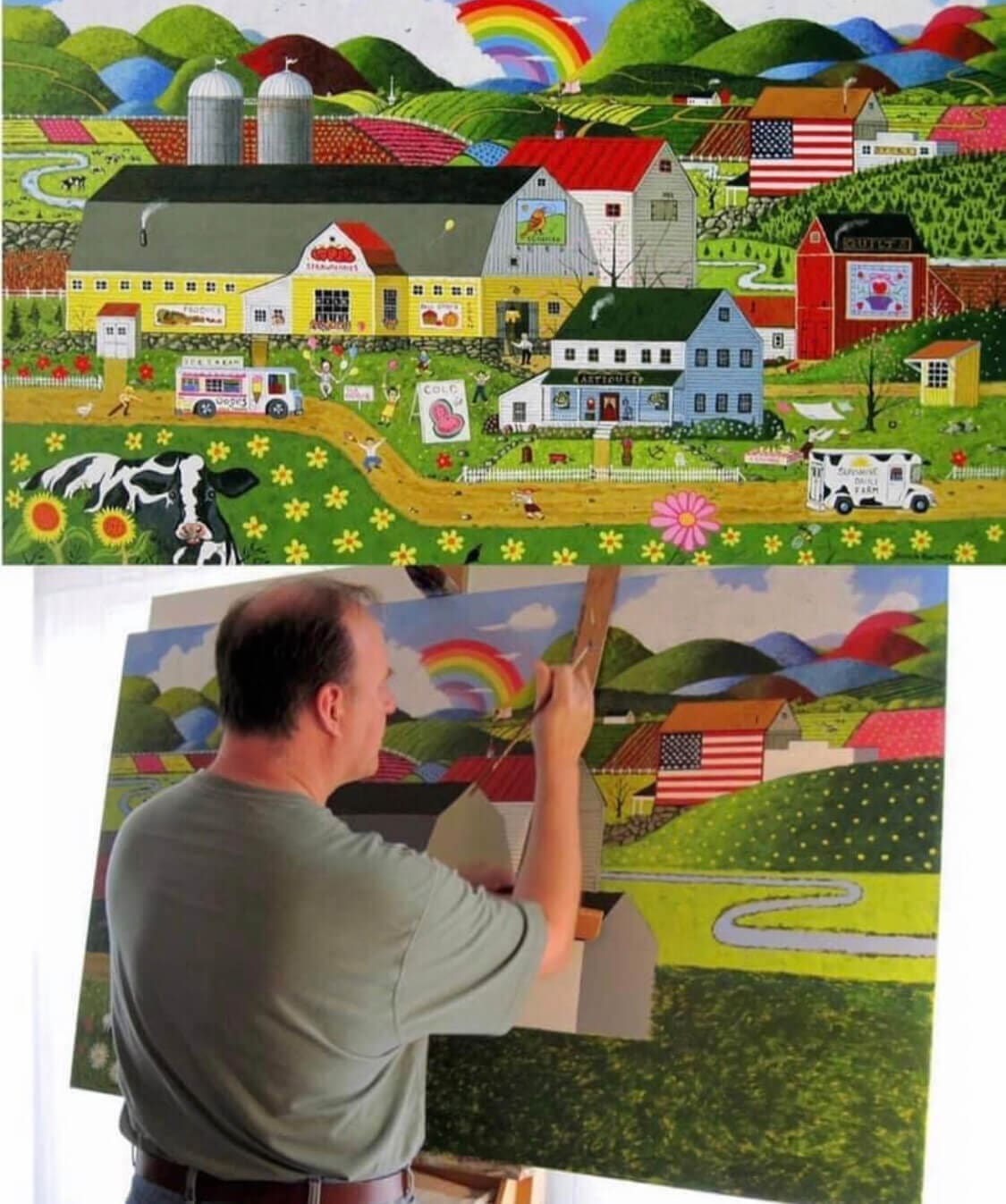
Can you describe your artistic process when creating a new painting?
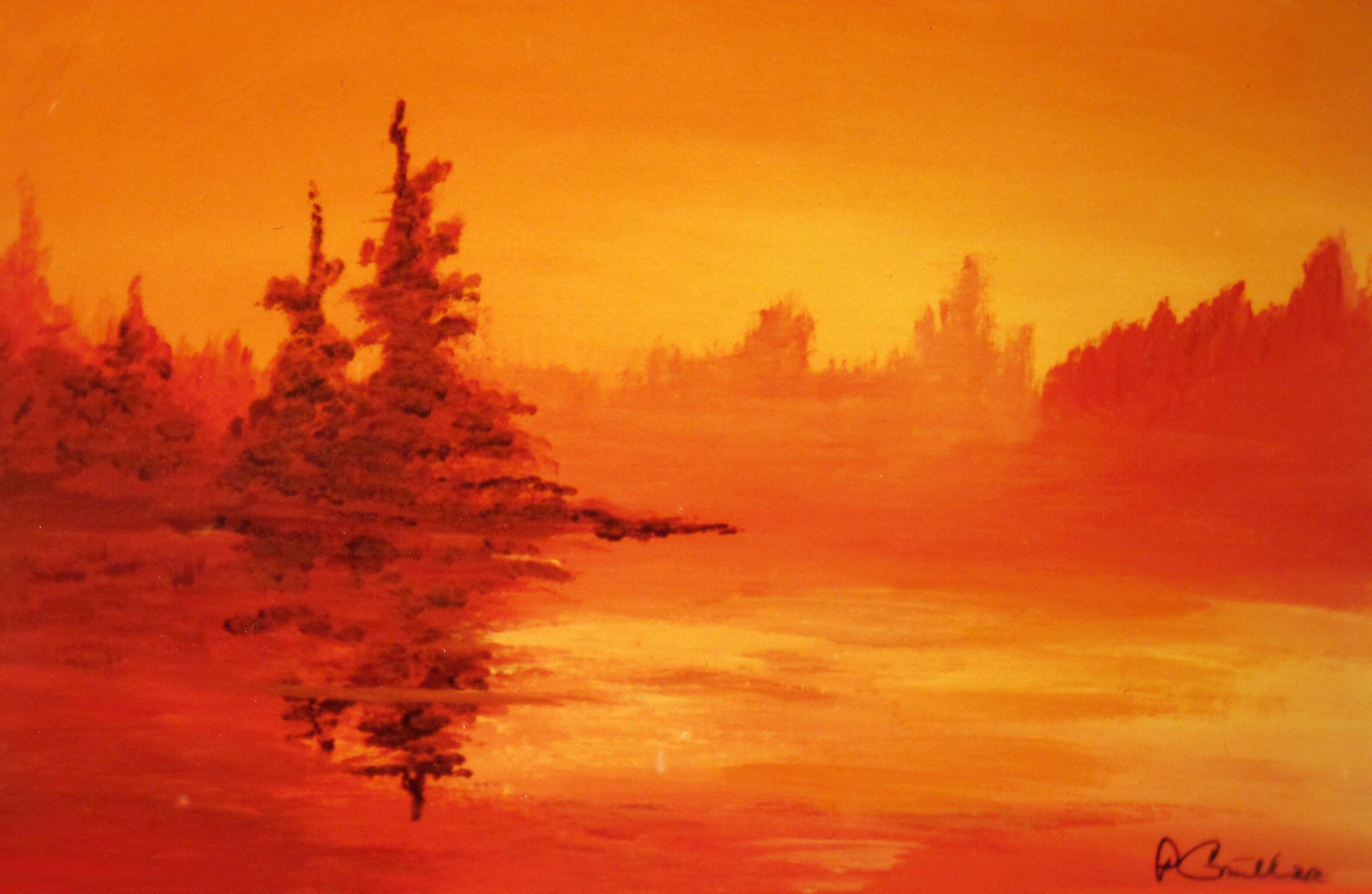
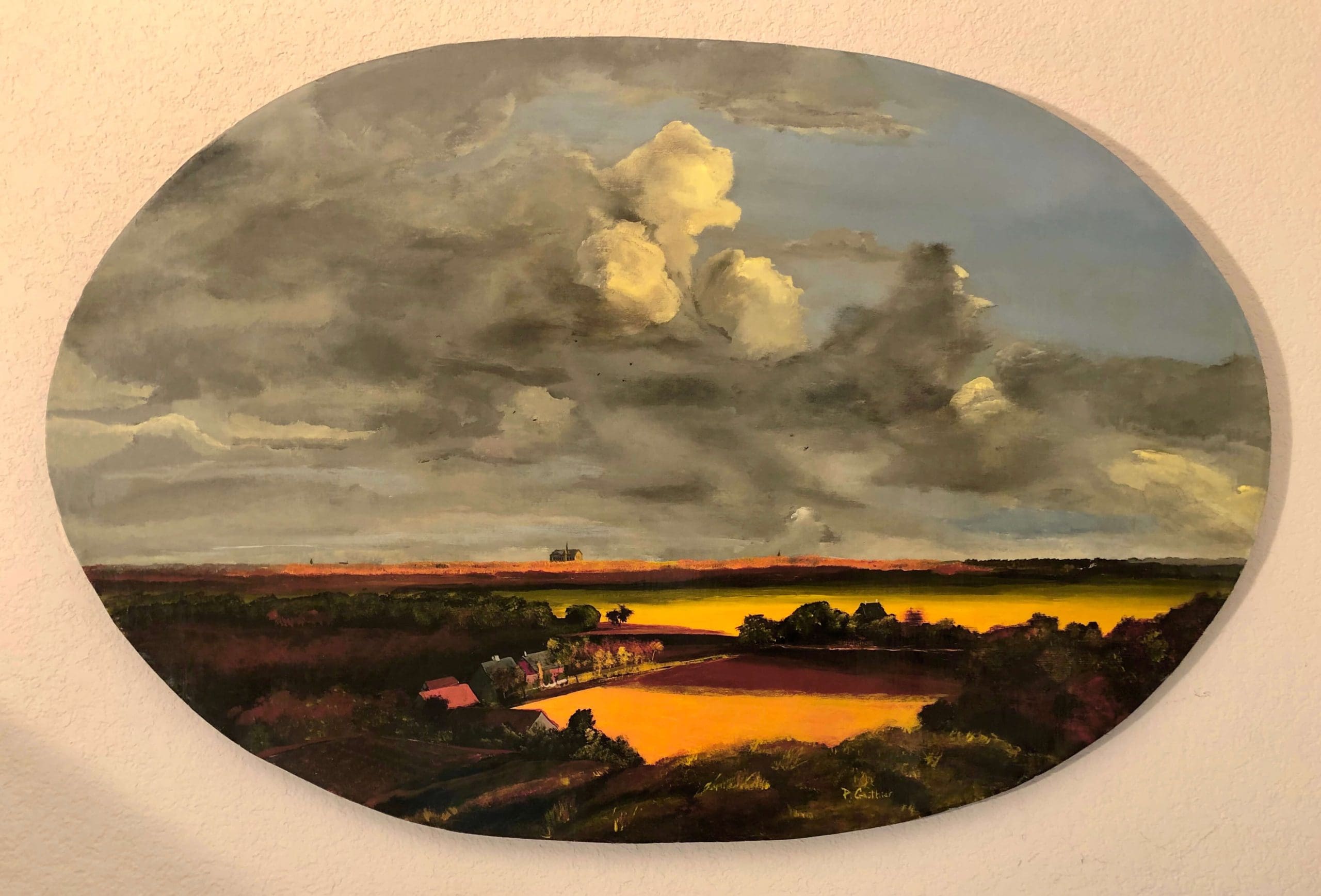
Patrick Gauthier: I begin the majority of my artworks by painting the entire painting a light earthy color. In some cases, I think the paintings come out richer in color. I prefer using my brushes to draw by hand instead of doing precise drawings beforehand. Thus, I can layer colors that set a tone with each painting. If a painting will be a Fall painting, I will layer paint in colors that match the mood of the season and subject. For example, Fall has rich oranges, greens, yellows, and purples. Then, I start my painting on top of that surface color.
Large brushes are necessary at first and details can be added with smaller brushes in the final stages. Paintings can be painted on a variety of surfaces. Pre-stretched canvases are common. Paper, illustration board, drawing tablets, wood, and in some cases large canvases must have frames built and canvases stretched tightly over them.
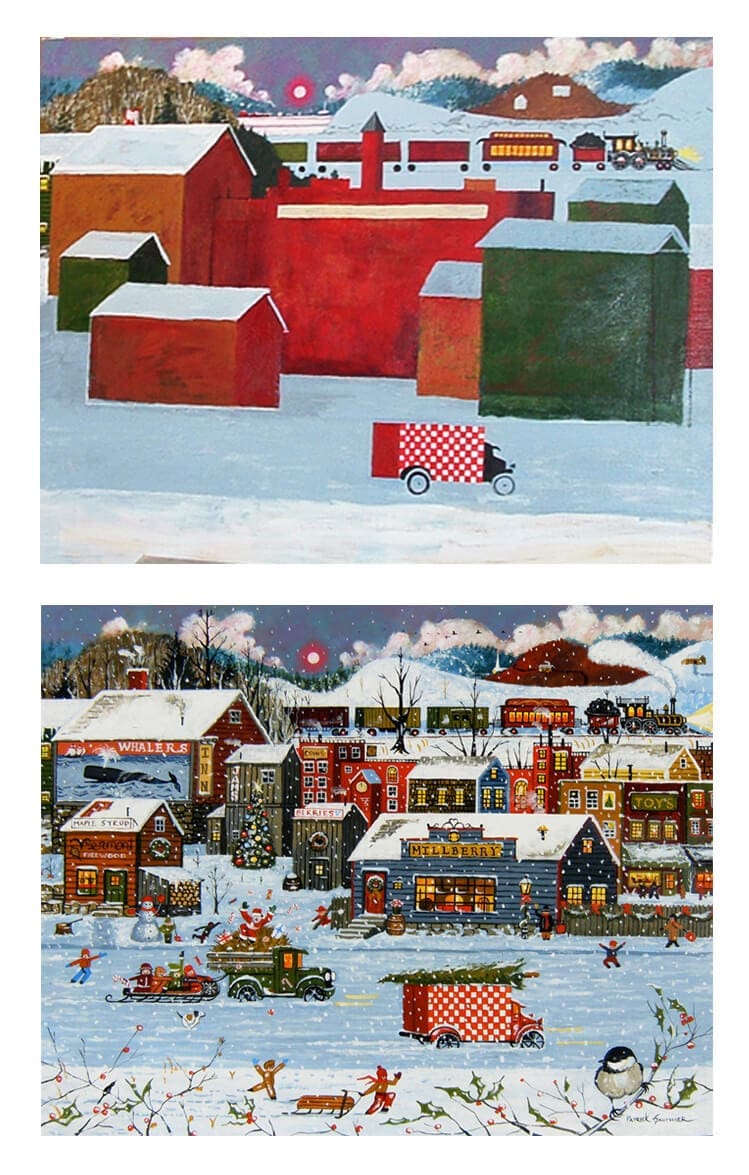
Your paintings are intentionally colorful and creative. Could you share some insights into your choice of colors and how they contribute to the storytelling in your art?
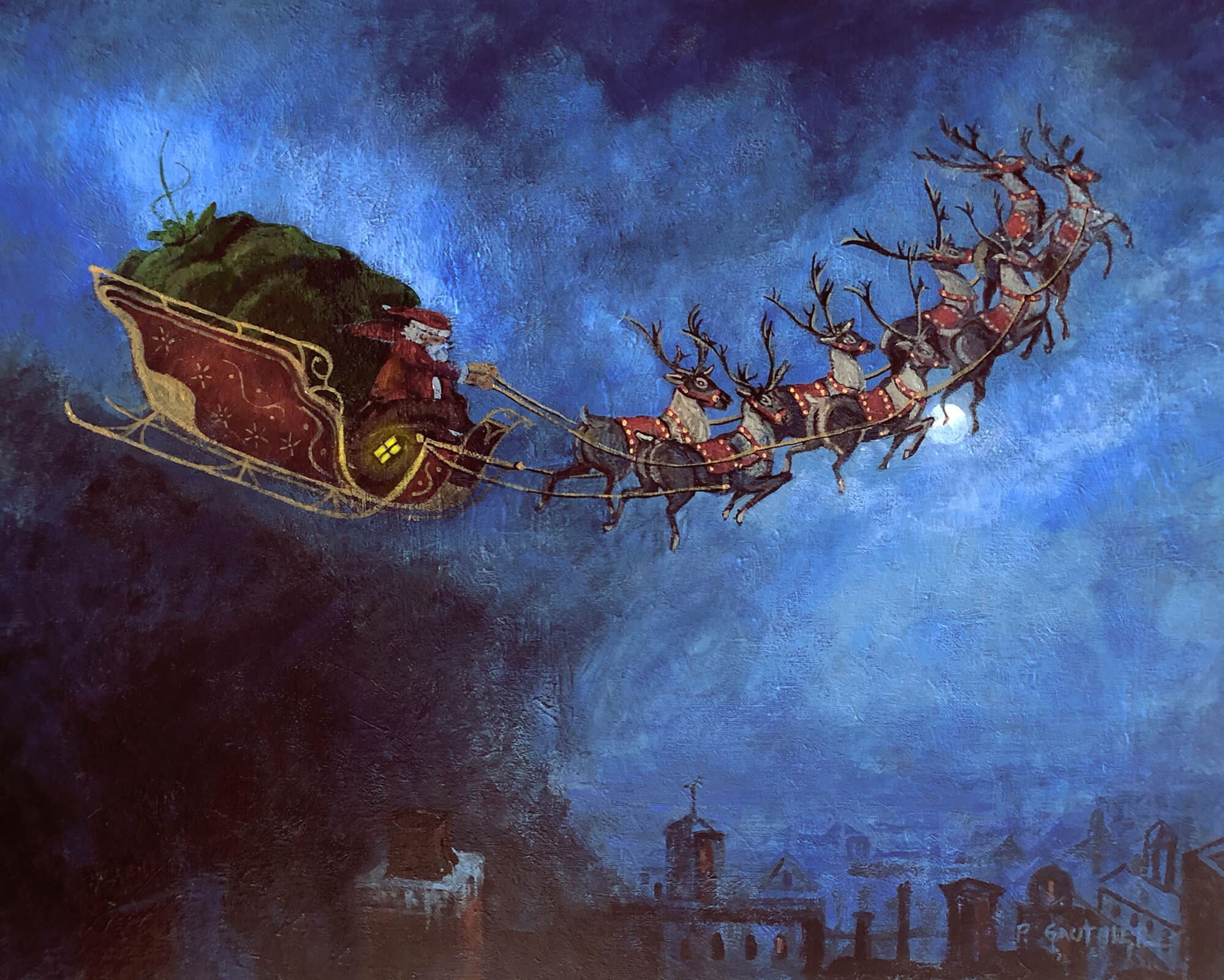
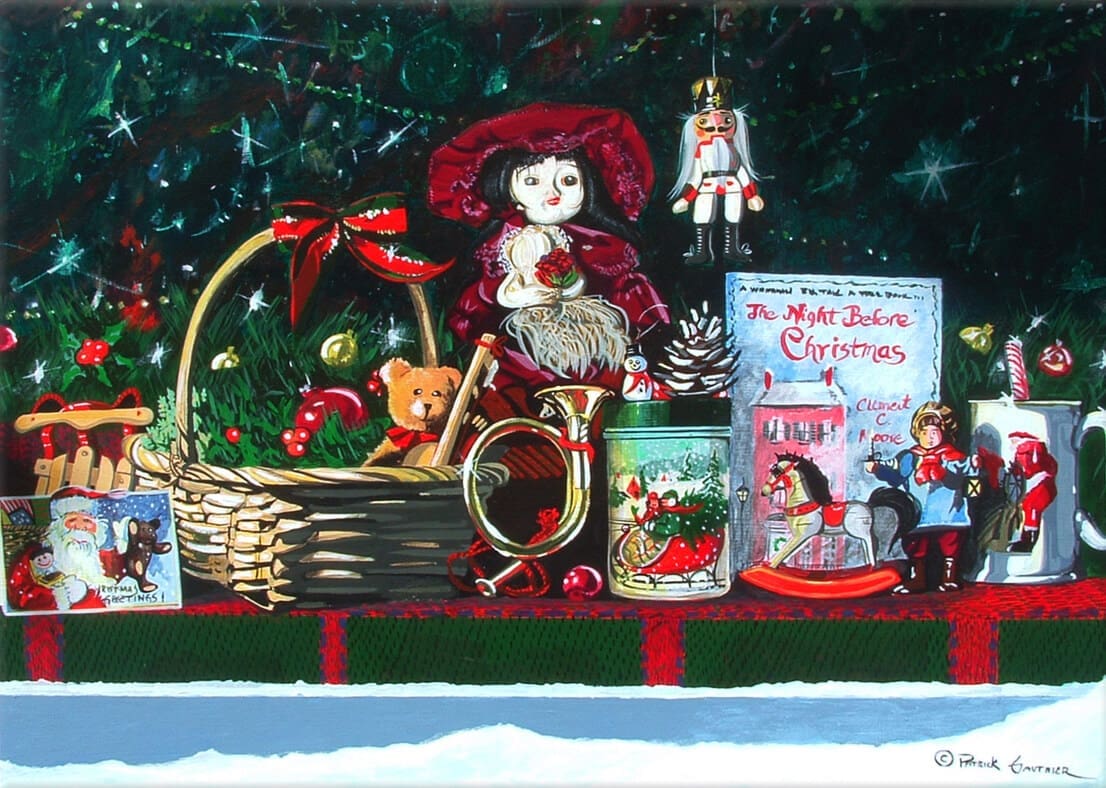
Patrick Gauthier: Some subjects I paint lend themselves to a season. For example, Christmas. I look at Christmas cards, Christmas ornaments, holiday food, and displays for inspiration. Christmas colors are generally reds and greens but silver and gold are beautiful combined with whites and light blues for snow.
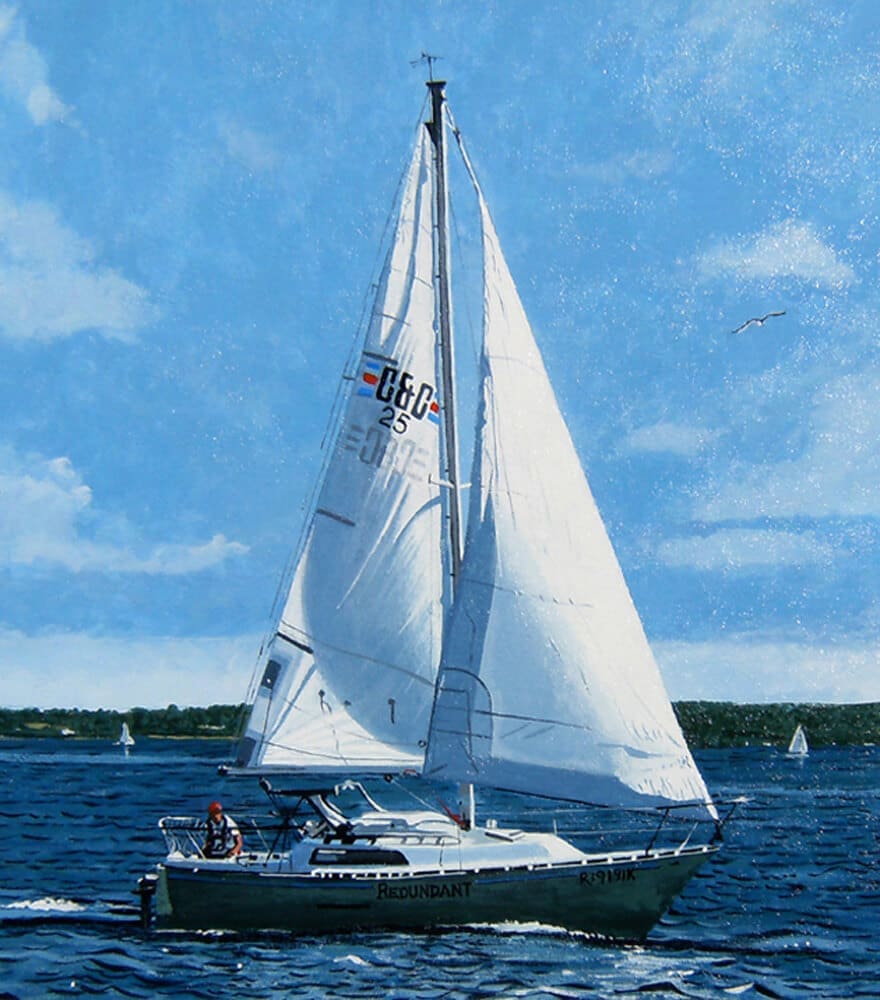
Any subject can be painted simply by adjusting colors. Colors for Spring are bright greens, blue skies, rainbows, and colorful flowers. Summer has greens and blues and subjects might be added such as sailboats, flower boxes, or colorful gardens. Fall colors are golden reds, yellows, rust, pumpkin, and red-green colors.
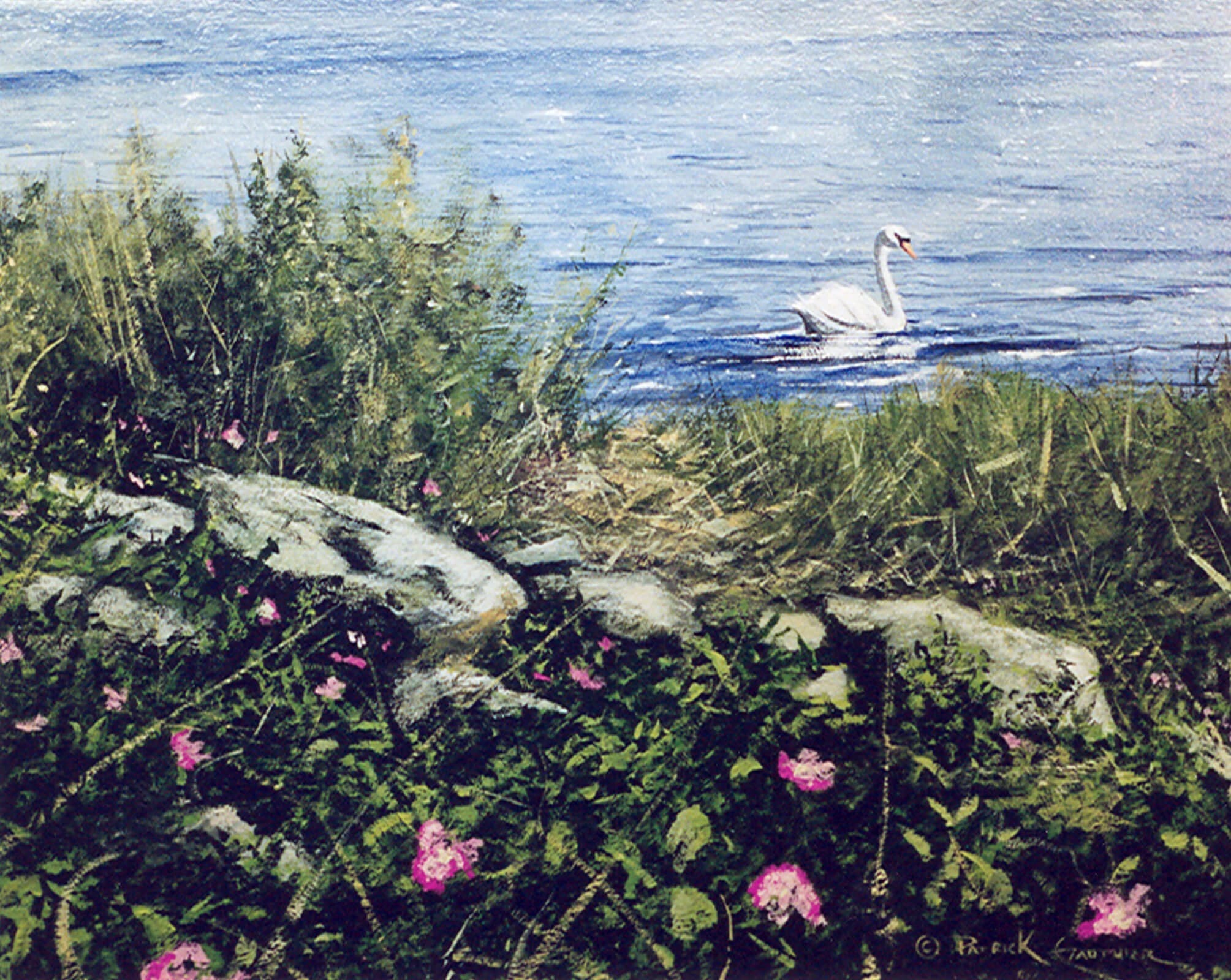
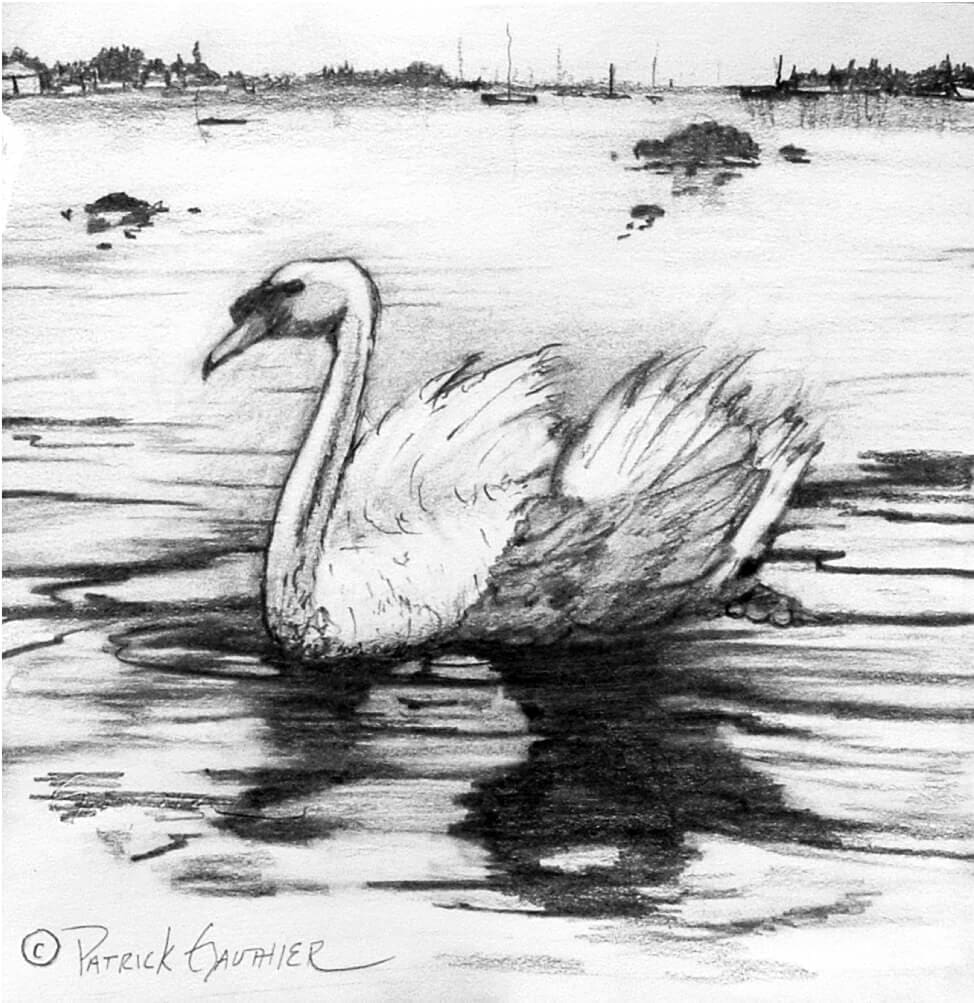
Once, I painted beautiful swans swimming in water that had dirty green moss. I thought the artwork would look more beautiful if I painted a prettier blue water color instead of the green moss. I added roses to the swan painting landscape and it changed the scene completely. Researching a subject’s mood and season dictates what colors work well together.
A color wheel is a great tool to help establish colors and hues. Nature can be the best learning experience for color. Go outside and look!
Many artists have specific themes or recurring motifs in their work. Are there any recurring themes or symbols that appear frequently in your paintings?
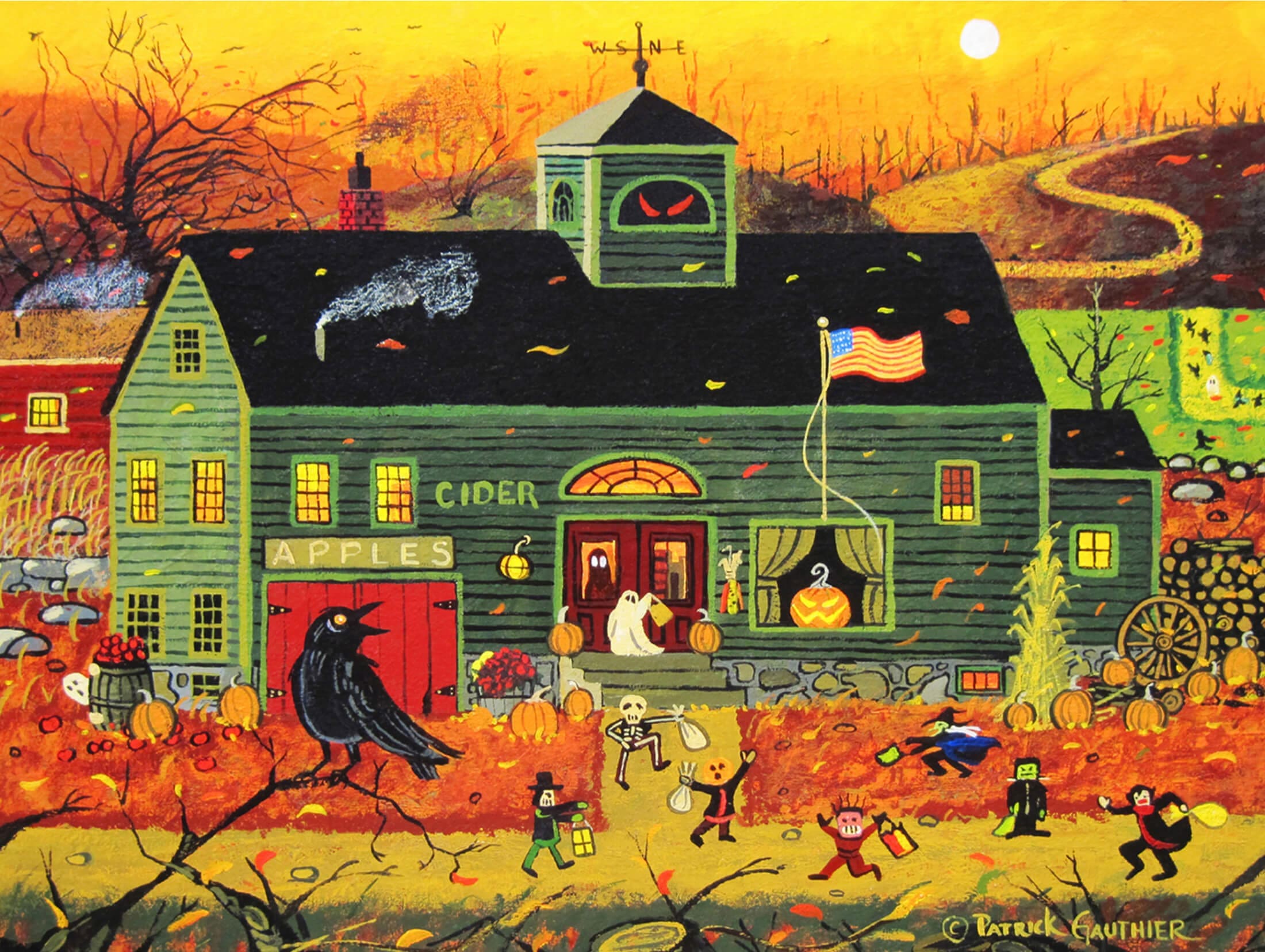
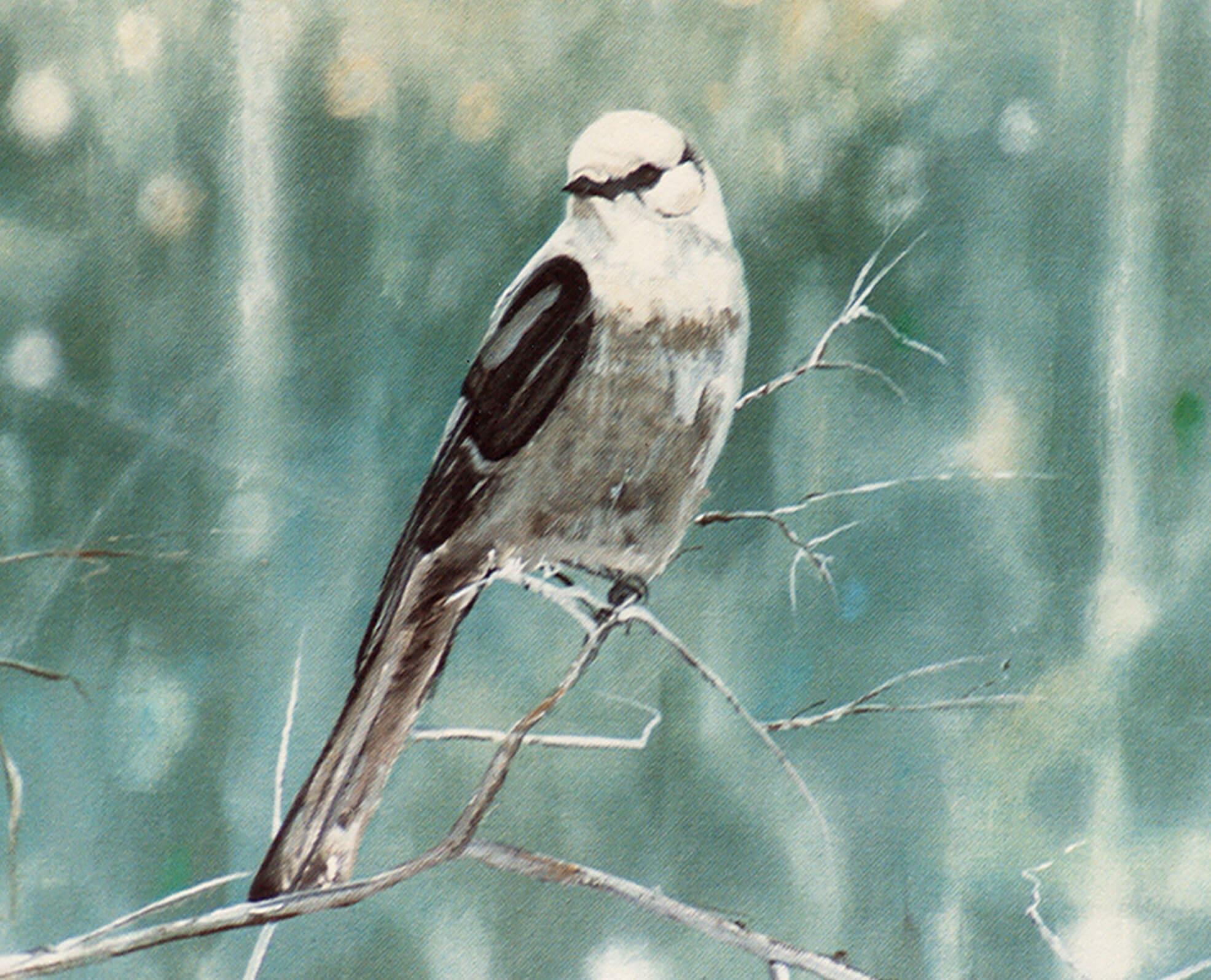
Patrick Gauthier: I incorporate birds in the majority of my paintings. I think birds symbolize the passing of time or peaceful elements in all seasons. Cardinals, doves, chickadees, yellow birds, and robins are great for happy Spring and Summer paintings. In a painting that symbolizes harsh times or trouble or adversity, some birds can symbolize danger or hardships such as a crow or blackbird.
I also combine what type of bird will be associated with a season. Maybe a robin would be more appropriate in the Spring than a crow. Hawks and eagles are great symbols of hunting and freedom.
Do you have a particular painting or series that holds special significance to you? If so, what is the story behind it?
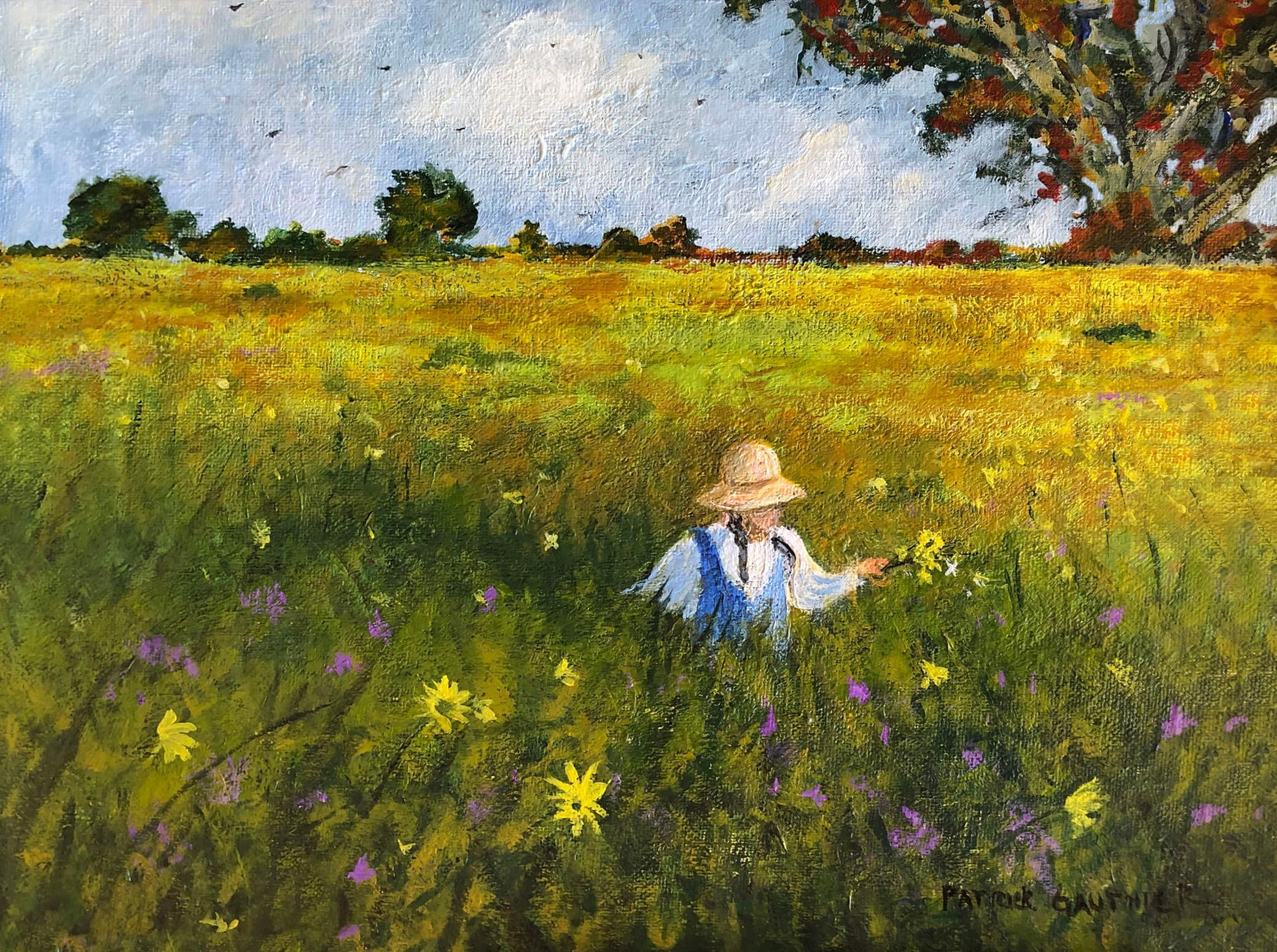
Patrick Gauthier: Vincent Van Gogh’s series of Sunflowers and his series of Starry Night paintings are my favorites. I have grown up in a region that has many sunflower fields.
Interestingly, his sunflowers are accurately painted from completely alive to withered and hanging. Vincent Van Gogh suffered and turmoiled his entire life. His life was extremely difficult and very few liked him. He did not sell his artwork in his lifetime and now it is worth millions and sets records at auctions. It is not about the money but it is about how little support he got from others while alive. The tragic part of his life was the lack of affection he received. Sometimes genius is in front of us. It is new and different but people are not ready to accept it. Sometimes being different should not be ridiculed but often is.
Your work has been featured in large public art projects in Nebraska. How does creating public art differ from your projects, and what do you enjoy most about it?
Patrick Gauthier: Public art differs because people enjoy stopping to watch the process. People are intrigued as they see paintings come to life.
Artwork is usually private and created in private studios and then displayed in galleries. It is more silent and personal. I think when public art is created people can talk to the artist and interact by taking photos standing next to it and watching it being created. Public art can be used to raise money for worthwhile public projects through auctions that the public attends.
Nobody knows what the final piece will sell for but the more it sells for the better for those involved. Public art is a great way for artists to get their name known in the area.
Can you tell us about the most challenging or rewarding project you’ve worked on as an artist, and what lessons did you learn from it?
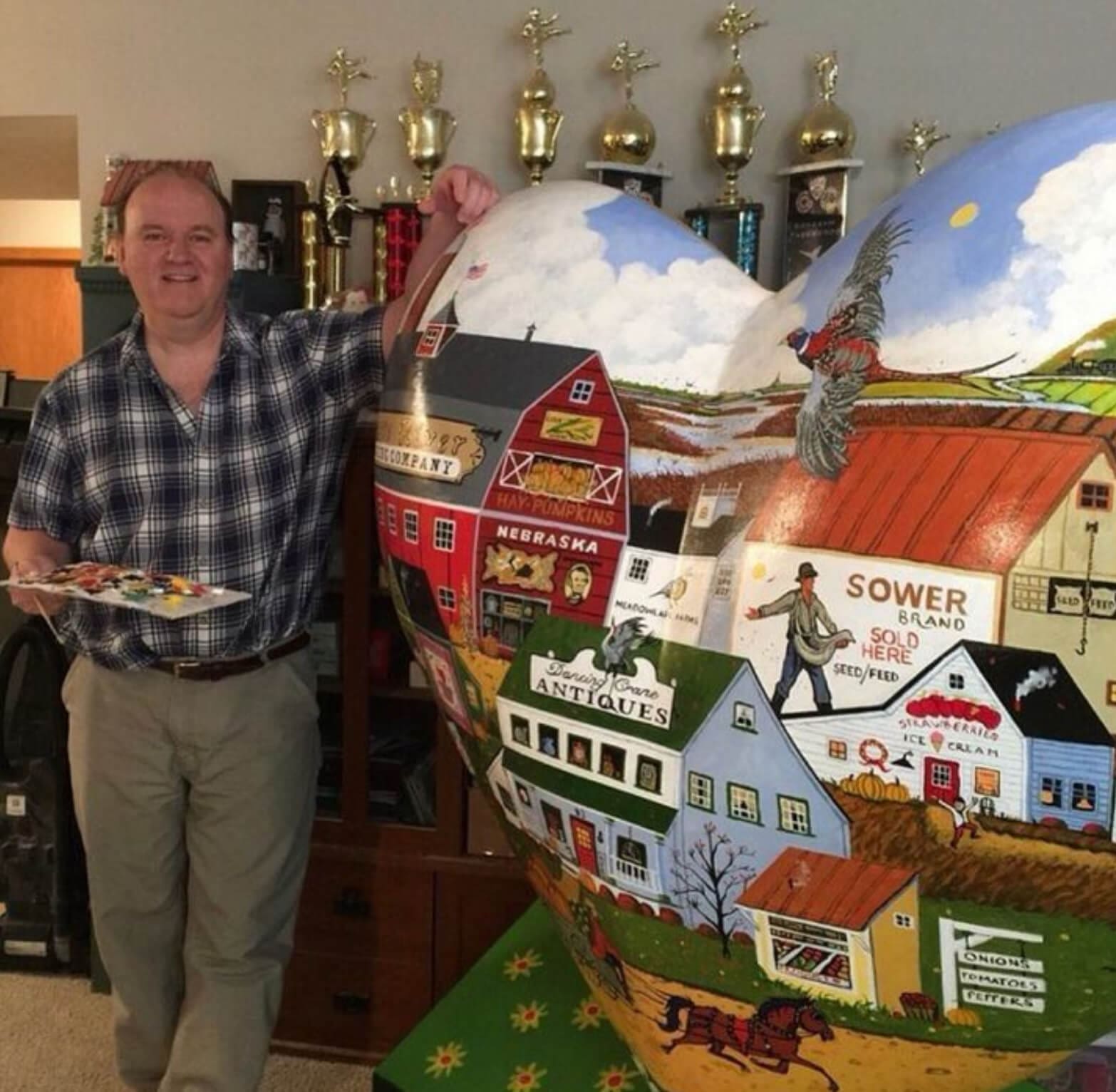
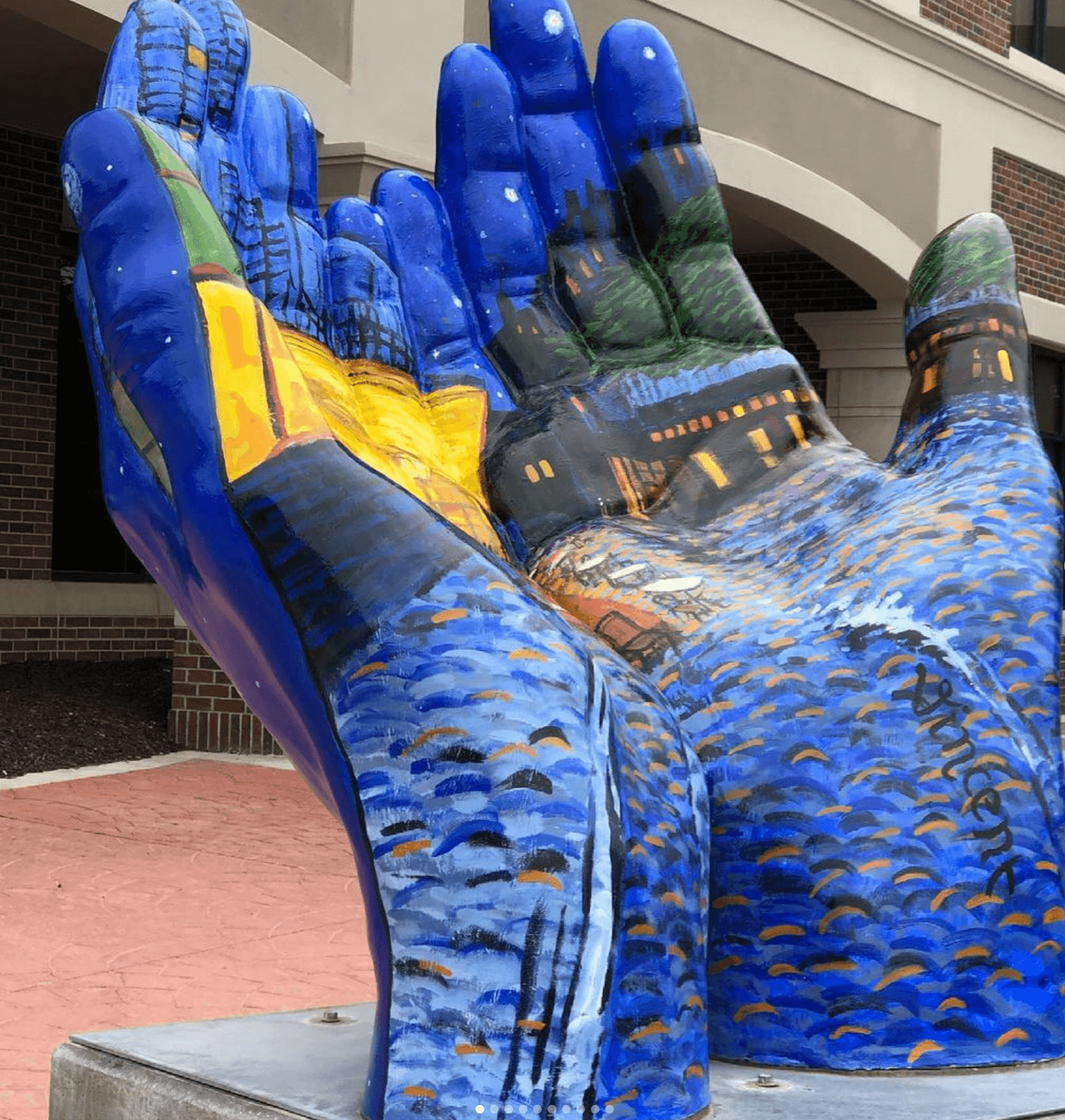
Patrick Gauthier: I worked on an oversized public project of 6-foot-tall hearts. I also worked on oversized 6-foot-tall folded hands. These publicly painted monument projects were in my studio for approximately 3 years.
The large pieces almost did not fit through the door. They were so large and took up all of the space in my studio! The time it took was approximately 60 to 100 hours each to paint them and required painting them from a variety of angles even if it required laying under them. Initially, I was supposed to paint 2 of these monuments but blossomed into painting 7 of them.
This project required care so the studio and paintings stayed clean and damage-free. Some of these final custom public pieces were placed in prime locations for thousands to see and often take photographs standing next to them. They are placed around the region of Lincoln, Nebraska which is the capital city of the state of Nebraska.
Could you share your favorite art-related memory or moment from your career so far?
Patrick Gauthier: One of my favorite moments was when I received word that one of my hand-painted 6-foot tall public art monuments would be on permanent display in the downtown area of Capitol City in Nebraska. Lincoln, Nebraska is where I attended college and earned a Bachelor of Fine Arts degree in painting, sculpture, art history, and ceramics. This piece of artwork is permanently displayed in front of one of the large galleries in Nebraska. The Painted Hands featured two paintings by one of my favorite artists Vincent Van Gogh. The front is a blue sky with many stars (Starry Night). The back featured another starry night theme (Starry Night over the Rhone) from Vincent Van Gogh. Thousands of people see it and tourists take time to have their photographs taken standing near it.
In your opinion, what makes a piece of art truly impactful or memorable for the viewer?
Patrick Gauthier: Every type of person is attracted to a favorite artist whether it is painting, sculpture, music, or industrial arts. The one common denominator seems to be that the artwork can move a person emotionally. Some art invites us to touch and interact with it and have a physical experience. Others sit quietly in a gallery allowing our minds to focus on another world within a frame. It seems to move the viewer’s mind into another world or thought process. Sometimes the world we live in can be the same and hectic from day to day. In my case, art and paintings are an escape to another time, place, and feeling.
I believe artwork is a window into another world and inner peace.
What role does experimentation play in an artist’s growth and the discovery of their unique style?
Patrick Gauthier: Experimenting by copying other artists’ work you like is great practice. Experimenting with different mediums (supplies) is also important.
If I like a particular artist’s paintings or favorite photographs from a magazine, I will practice copying the artwork or photos. I eventually discover what I like in each artist’s work and then do the same with other artists’ work or photographs. For some artists, I like the clean black lines and for others, I like the way they use color and shadows. As I learn, I put these ideas into my paintings and that helps me develop my strengths and style. Sometimes it takes many paintings to learn another artist’s style and understand their thought process. It is important to study and research the artists you enjoy.
There are so many combinations of supplies, materials, and influences available but I suggest starting a painting with basic supplies and learning from there. Some painters like to work with very thin paint and others like high texture, throwing paint and using palette knives or dripping paint onto canvases. Experimenting can be fun and exciting.
What advice would you give aspiring artists looking to find their unique style and voice in the art world?
Patrick Gauthier: Producing artwork no matter what medium is a growth of mistakes and having the willpower to try again. Allow mistakes to occur and, in some instances, what you think are mistakes might be the best part of your painting.
There are always projects that require skill, measures, and accuracy and these rules must be learned to produce accurate art. Accurate mechanical artwork requires specific drawings and measurements. A unique style is through trial and error. Some of the oldest paintings I have done were the ones that have sold for the most money. Anything can happen.
Are there any specific exercises or practices that you recommend to young artists as they explore different styles and approaches to art?
Patrick Gauthier: Whatever supplies are needed, buy extra. Use surplus extra supplies and experiment with ideas you are going to try. Push the limits to see what it can withstand. This allows you to push your final pieces to the limit without destroying a final piece. It feels like a setback if you ruin one piece of paper but it doesn’t matter if you ruin one piece and have hundreds left.
Many young artists face challenges, including negative feedback or criticism. How do you handle criticism personally, and what advice would you offer emerging artists dealing with such challenges?
Patrick Gauthier: I define the word criticism as ‘discussion’. The word criticism automatically infers the discussion will be negative until learned differently. Criticism can be instructive or destructive.
Positive criticism will help teach us how to grow as an artist without feeling defeated as though our art is bad or not worth continuing. Positive discussions from teachers, professionals, and other artists help us learn and grow. What seems to be negative comments can sometimes be useful comments to help make our work closer to what final goal we have set for ourselves.
Negative criticism or discussions are different. The word criticism has a harsh tone and when the word negative is attached to it it makes it even more fearful. The point of criticism (or discussion) is to help us grow.
If I am hearing negative comments I pay attention to who is saying them. The comments can be coming from others who are jealous of your accomplishments or that person might be mean-spirited. I have experienced the negative to the point where another artist destroyed my project. It takes time to figure out the difference between discussions healthy for growth and the ones that are negative mean comments. Consider the source. If negative comments attack you as a person, ignore them. If you walk away feeling defeated, the discussion wasn’t useful. Sometimes people have opinions but it is only their opinion.
Your opinion and self-critique decide how you want to move further. My motivation has always been: ‘At least I have painted one more painting than somebody else in the world’.
If you could collaborate with any artist, past or present, who would it be, and what type of project would you want to work on together?
Patrick Gauthier: Norman Rockwell, Grandma Moses, Michael Delacroix, Vincent Van Gogh, Charles Wysocki, Charles Russell, and Fredric Remington are my favorite artists. I have trouble choosing one because they have all had an influence on me that makes my art what it is today. Some are masters of detail, others are masters of creativity, emotions, technical skills, or color.
My answer is probably the opposite of the question asked but liking and being influenced by other artists opens so many opportunities to participate with many other people and artists.
What do you hope viewers take away from your art, and what message or emotion do you aim to convey through your work?
Patrick Gauthier: My paintings have an overall color tone that sets a mood that people can identify with. The color of an overall painting can grab your attention and lead you to a piece that feels familiar. I try to make a painting intentionally difficult to figure out how it was created by layers and textures of colors and small details. The tone, subject, and details make a painting familiar and interesting.
One of the first questions people ask me is how long it took to make that painting. I want viewers to understand artwork requires many hours of hard work. Painting is similar to learning many languages. A painting can be put aside for one year and then completed. At times I hear: “I wish I could paint like that”. Although it is meant as a compliment it undermines the fact that many years, sacrifice, hours, supplies, and bad paintings have occurred to get one piece on a wall in a gallery.
What are your future artistic goals and aspirations, and how do you envision your art evolving in the years to come?
Patrick Gauthier: I have achieved some goals but I think you are only as good as your last painting. This means an artist can be their own worst critic. Each new painting presents challenges to improve on what was done before.
At times a change of interest and styles can occur that were never expected. This can make you feel like you’re starting all over again. Change is difficult and can take time. There are so many artists to influence us and different mediums to practice with. I think a creative artist is curious to see what new experiments will bring. To others your artwork is beautiful but at times we still struggle within our minds with what could we have done better.
As long as there is curiosity we can always evolve. If we don’t physically paint we can always study what we are interested in and that later can evolve into another painting.
Lastly, is there any message you would like to share with the world?
Patrick Gauthier: Paintings and artwork teach us about cultures. Cave paintings, monolithic structures, artwork in tombs, manuscripts, paintings, and many other forms of art can be awe-inspiring. What we do as artists affects others in masses, smaller populations, or individuals. Artists who have come before us or are with us today can influence us and set us on our creative journey. Try to always keep an open mind to different ideas and people.
It will surprise you what can happen that you never expected that can change your journey. Try your best to identify opportunities and use your skills the best you can to make a difference in others’ lives.

***
Patrick Gauthier’s story highlights the evolution of an artist who has remained true to his passion while embracing growth and change. His insights into the artistic process, the importance of experimentation, and dealing with criticism offer invaluable lessons for aspiring artists and art enthusiasts alike.
If you’ve enjoyed this journey through Patrick Gauthier’s colorful world of art, I invite you to visit his Instagram account.
Discover with 4TinyHands other inspiring life stories, stories about philanthropy, inspiring people who dared to follow their passions, or stories about children inspiring children.
Follow 4TinyHands’ Facebook page and Instagram account for the latest on exciting artistic collaborations, new freebies, and much more. Join me in celebrating creativity and being part of a community passionate about art and storytelling. I look forward to sharing and interacting with you on these platforms!
Copyright © 2024 All rights reserved


Leave a Reply