
Blue whales, unmatched in size and elegance, stand as the most colossal creatures ever to inhabit our planet. Sadly, the species is globally listed as Endangered on the IUCN Red List. The estimated population of blue whales is only 5,000 to 15,000 mature individuals.
This article explores the majestic world of blue whales, the significant threats they face, and how we can all contribute to their survival.
The Majestic Blue Whale: A Glimpse into Their World
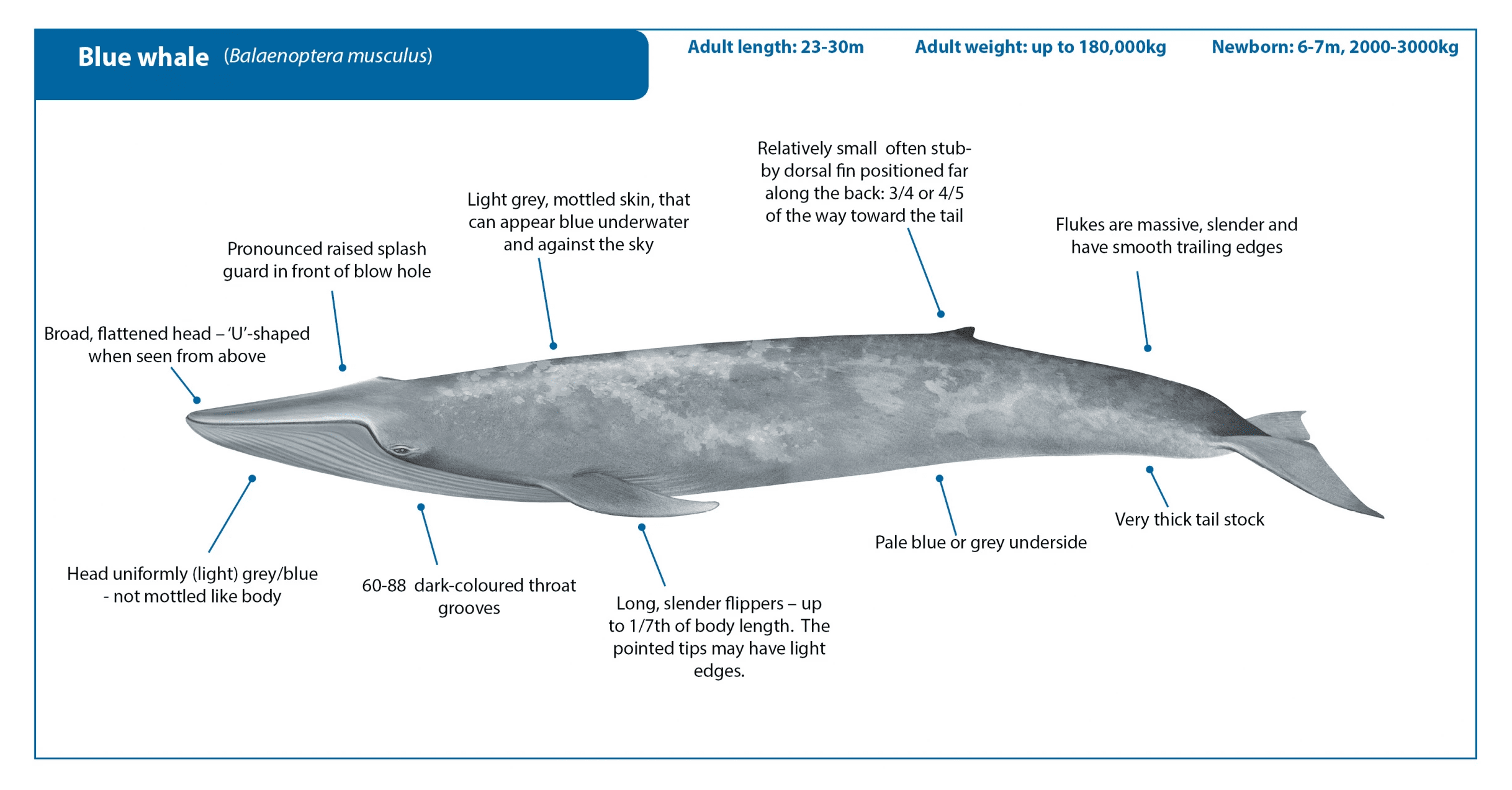
Blue whales occur worldwide in all major oceans except the Arctic. These giants of the ocean are not just remarkable for their size, which can reach up to 30 meters (about 100 feet) in length and weigh as much as 200 tons (approximately 181 kilograms), but also for their incredible biological and acoustic abilities. Their hearts, comparable in size to a small car, can weigh as much as 600 kilograms (about 1,300 pounds), pumping a massive volume of blood to sustain their enormous bodies.
Despite their colossal size, blue whales sustain themselves primarily on tiny shrimp-like creatures known as krill. In a single day, a blue whale can consume about 4 tons (around 3,600 kg) of krill, using their baleen plates to filter these small organisms from the water. This massive intake is necessary to support their energy needs, especially considering their extensive size and migratory lifestyle.
Blue Whale Vocalizations: The Power of Their Call
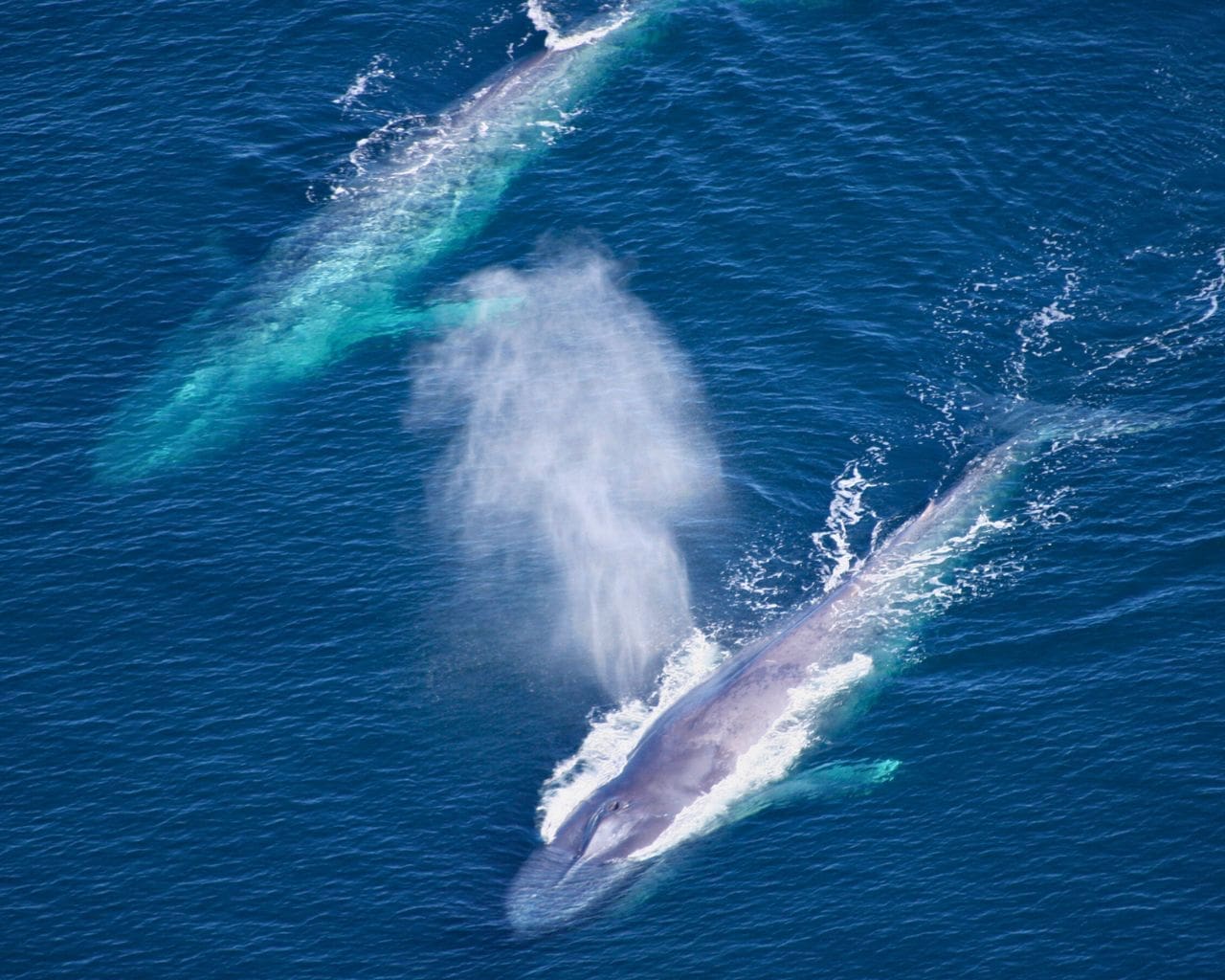
Blue whales possess awe-inspiring vocal capabilities. They are producing sounds that are not only the loudest of any animal on Earth but can also travel vast distances underwater. Their vocalizations can reach up to 188 decibels. They serve multiple purposes, including communication among individuals over hundreds of miles and navigation across the murky depths of the oceans.
Their calls, which include a range of low-frequency pulses, moans, and groans, can be heard for up to 1,000 miles (around 1,600 kilometers) under ideal conditions. This is facilitating long-distance communication and social interaction among separated members of their species.
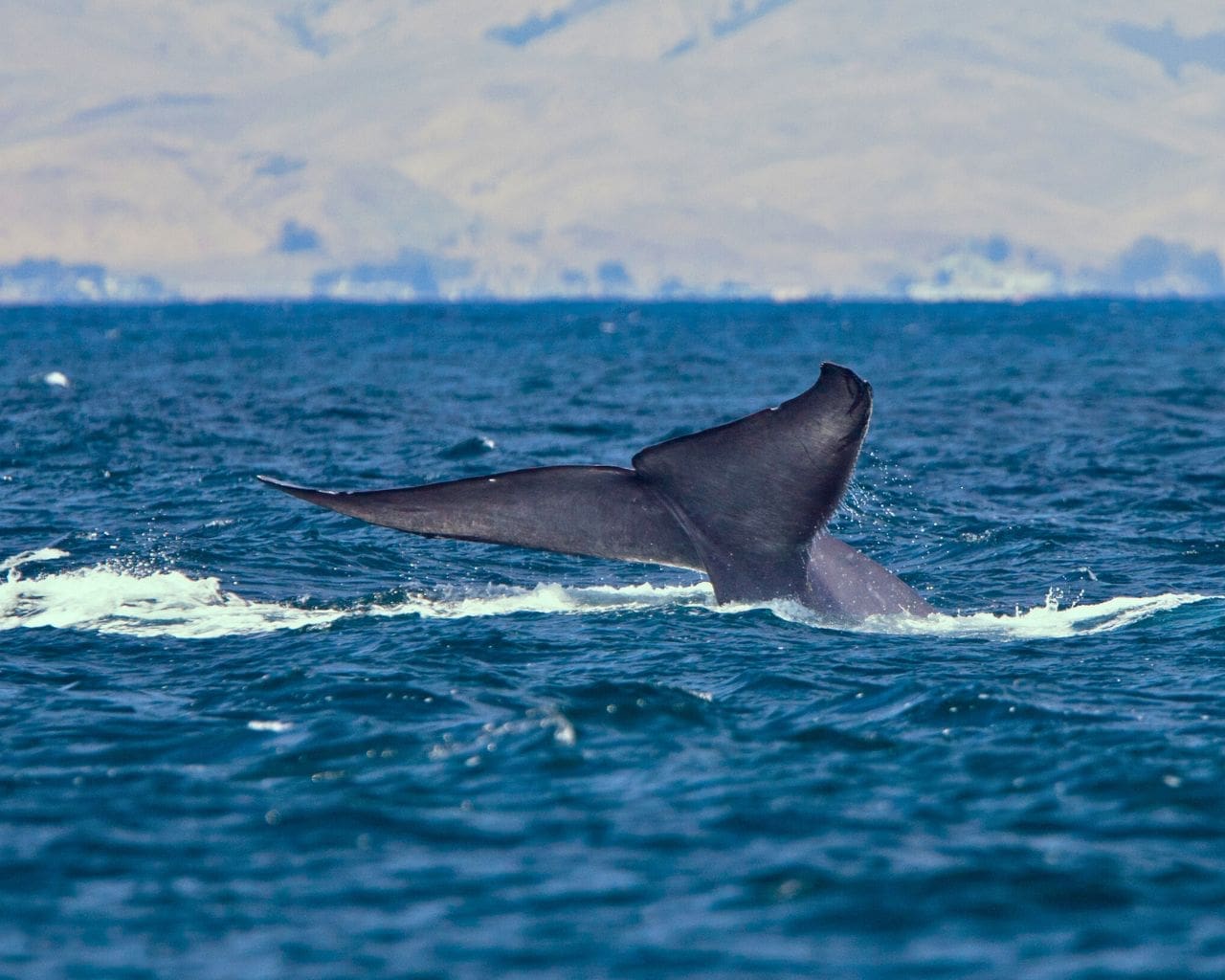
Moreover, blue whales demonstrate remarkable agility and efficiency in their underwater environment, despite their size. They have adapted to their pelagic lifestyle with a streamlined body and a small dorsal fin, which aids in minimizing drag as they move through the water. Their large flippers and tail fin, or fluke, allow them to maneuver and propel themselves with surprising grace, reaching speeds of up to 20 miles per hour (32 kilometers per hour) when necessary.
Blue Whale’s Crucial Role
The abilities of blue whales extend beyond their physical and acoustic features. They play a crucial role in the marine ecosystem as well. Blue whales are influencing the distribution of krill populations. Moreover, they are contributing to the ocean’s nutrient cycle through their feeding and migration patterns. Their existence underscores the interconnectedness of oceanic life and the importance of preserving such magnificent creatures for the health of marine ecosystems worldwide.
By exploring the life of blue whales, we gain a greater appreciation for their complexity, resilience, and the vital role they play in the ocean’s vast and intricate web of life.

Threats to The Blue Whale’s Existence
Despite their impressive size, blue whales are vulnerable to many threats that have significantly impacted their populations.
Historically, the whaling industry was the primary cause of their decline. Blue whales were hunted extensively for their blubber and oil, leading to dramatic reductions in their numbers. Whaling, which peaked in the early to mid-20th century, left blue whale populations severely depleted. Some estimations are suggesting a decline to just a fraction of their original numbers.
In the present day, while whaling no longer poses the threat it once did due to international bans and conservation efforts, blue whales continue to face significant challenges.
Entanglement in Fishing Gear
One of the most pressing issues is entanglement in fishing gear. As the fishing industry has grown, so has the amount of gear left in the ocean, from nets to long lines. Blue whales can become trapped in this equipment, leading to injuries, malnutrition, or even death if they cannot free themselves.
Discarded fishing gear, known as ghost nets, is particularly dangerous because it can remain a lethal hazard for years.
Ship Strikes
Ship strikes are another critical concern. Busy shipping routes often overlap with blue whale migration paths and feeding grounds. These collisions can be fatal for whales, causing serious injuries or death.
Efforts to reduce ship strikes include adjusting shipping lane routes, implementing speed restrictions in areas where whales are known to be present, and improving detection and monitoring systems to alert ships to the presence of whales.
Climate change
Climate change further exacerbates the plight of blue whales by impacting their primary food source: krill. Krill populations are sensitive to changes in sea temperature and ice cover, which are affected by global warming.
As the ocean warms and ice caps melt, krill populations may decline or shift distribution. Therefore, it is harder for blue whales to find sufficient food. This not only affects their ability to sustain themselves but also has implications for their breeding success, as well-nourished females are more likely to have healthy calves.
Pollution
Pollution, including chemical contaminants and plastic waste, poses additional threats to blue whales. Chemicals can accumulate in the whales’ bodies through the food chain, potentially affecting their health and reproductive capabilities. Plastics and microplastics, meanwhile, can be ingested by krill, entering the blue whale’s diet and causing physical harm or interfering with their nutrient absorption.
These threats collectively make the conservation and recovery of blue whale populations a complex challenge that requires multifaceted solutions. Efforts must span from local to global scales, involving governments, NGOs, industries, and individuals to create effective strategies for mitigating threats, protecting habitats, and ensuring the long-term survival of these magnificent ocean giants.
Conservation measures such as protected marine areas, stricter regulations on shipping and fishing practices, and global action on climate change are critical to the future of blue whales.
Blue Whale Conservation Efforts
The conservation of blue whales, the earth’s largest mammals, involves a multifaceted approach to tackle the numerous threats they face. At the forefront of these efforts is the International Whaling Commission (IWC), which implemented a ban on commercial whaling in the 1980s. This action marked a turning point, laying the foundation for the recovery of blue whale populations by halting the primary cause of their near extinction. Similarly, the Endangered Species Act in the United States and other protective laws worldwide have provided legal frameworks to safeguard these giants and their habitats from further harm.
Conservation organizations and researchers are employing advanced technologies to deepen our understanding of blue whales. Satellite tracking, for instance, has become an invaluable tool for monitoring whale movements, behavior, and critical habitats. This data helps scientists identify key feeding and breeding grounds that need protection and understand migration patterns to mitigate risks like ship strikes.
Policies aimed at protecting the marine environment are also critical. Marine Protected Areas (MPAs) have been established in regions identified as significant for blue whales, offering sanctuaries where they can feed, mate, and migrate with minimal human disturbance. Efforts within these MPAs focus on controlling ship traffic, regulating fishing activities to reduce entanglement risks, and monitoring noise pollution that can disrupt whale communication.
In addition, public education and awareness campaigns are essential. By understanding the challenges these magnificent creatures face and the efforts underway to protect them, we can support policies and practices that contribute to the health of marine ecosystems.
Success in blue whale conservation requires ongoing commitment, international cooperation, and innovative solutions to ensure these gentle giants continue to thrive in the world’s oceans for generations to come.

The Path Forward: How You Can Help
The path forward in blue whale conservation offers numerous opportunities for involvement. Moreover, it is especially important to recognize how children can be powerful agents of change. Engaging in activities that promote a healthier environment can have a profound impact on blue whale populations and marine ecosystems at large.
Learn and Share:
Education is a cornerstone of conservation. Children can learn about blue whales and their habitats through books, documentaries, and educational programs. Sharing this knowledge with friends and family raises awareness and fosters a community that values ocean conservation.
Participate in Local Cleanups:
Joining beach or river cleanups helps reduce pollution, one of the significant threats to marine life. Children participating in these activities learn the importance of keeping habitats clean and safe for all creatures.
Reduce, Reuse, Recycle:
By practicing these three Rs at home, children can contribute to reducing the amount of waste that ends up in the oceans. Simple actions like using reusable water bottles, bags, and containers decrease plastic pollution, protecting marine life including blue whales.
Support Marine Protected Areas (MPAs):
Though directly supporting MPAs might be challenging for children, they can participate in awareness campaigns and fundraisers that contribute to the protection of these critical habitats. Schools and youth organizations often engage in projects that support conservation efforts.
Be an Advocate for the Ocean:
Children can be vocal advocates for the ocean. They can participate in or start campaigns focused on issues like climate change, ocean pollution, and wildlife protection. Children can make a difference. Writing letters to local representatives or creating art to spread awareness are impactful ways to make their voices heard.
Adopt a Whale:
Many organizations offer symbolic adoption programs to support their conservation efforts. Through these programs, children can learn about a specific whale’s story, track its movements, and contribute financially to its protection.
Engage in Citizen Science Projects:
Participating in citizen science projects can be an exciting way for children to contribute to real scientific research. Projects may involve cataloging local wildlife, participating in global bird counts, or even tracking marine animal migrations online.
Encourage Sustainable Seafood Choices:
Educating families about the importance of choosing sustainable seafood can have a ripple effect on ocean health. Children can learn to look for and encourage adults to buy seafood certified by responsible fisheries, reducing pressure on marine ecosystems.
By integrating these actions into their lives, children not only contribute to the well-being of blue whales and other marine species but also develop a lifelong commitment to protecting our planet. Empowering the younger generation to take part in conservation efforts ensures a brighter future for all inhabitants of our blue planet.
FAQ
Yes, blue whales are the largest animals known to have ever existed on Earth. They can reach lengths of up to 100 feet (about 30 meters) and weigh as much as 200 tons (approximately 180 kilograms). This is making them larger than any dinosaur or other living creature.
Blue whales primarily eat krill, tiny shrimp-like crustaceans. Despite their enormous size, they feed by taking in large quantities of water rich with krill. They are filtering out the water and consuming the krill. An adult blue whale can consume up to 4 tons of krill per day.
Blue whales have a long lifespan, typically living between 70 to 90 years. Some individuals may live even longer, but determining the exact age of a blue whale can be challenging. Scientists often use earwax plugs to estimate age, as these layers accumulate over the whale’s life.

Final Reflections: Charting the Way Forward
The story of the blue whale is an important reminder of our impact on the planet and the resilience of nature. While they face significant challenges, there is hope. Through concerted conservation efforts and increased public awareness, we can ensure that future generations will also be inspired by these magnificent creatures of the deep.
If you’re intrigued by the beauty and complexity of wildlife and conservation, don’t miss the chance to explore more about elephants, hummingbirds, and butterflies, and see how you can contribute to their preservation.
Also, for more engaging content and updates on how you can make a difference, be sure to check out and follow the 4TinyHands Facebook page and Instagram account. Join our community and stay informed about how you can help protect our planet’s incredible biodiversity.
Copyright © 2024 All rights reserved


Leave a Reply